Skip to content

Types of endometriosis

There are 3 types of endometriosis lesions

From a didactic point of view, endometriosis lesions are classified into 3 major groups, which may be associated in the same woman.
In theory, endometriosis lesions can be found anywhere in the pelvis and abdomen, and more rarely in the thorax.

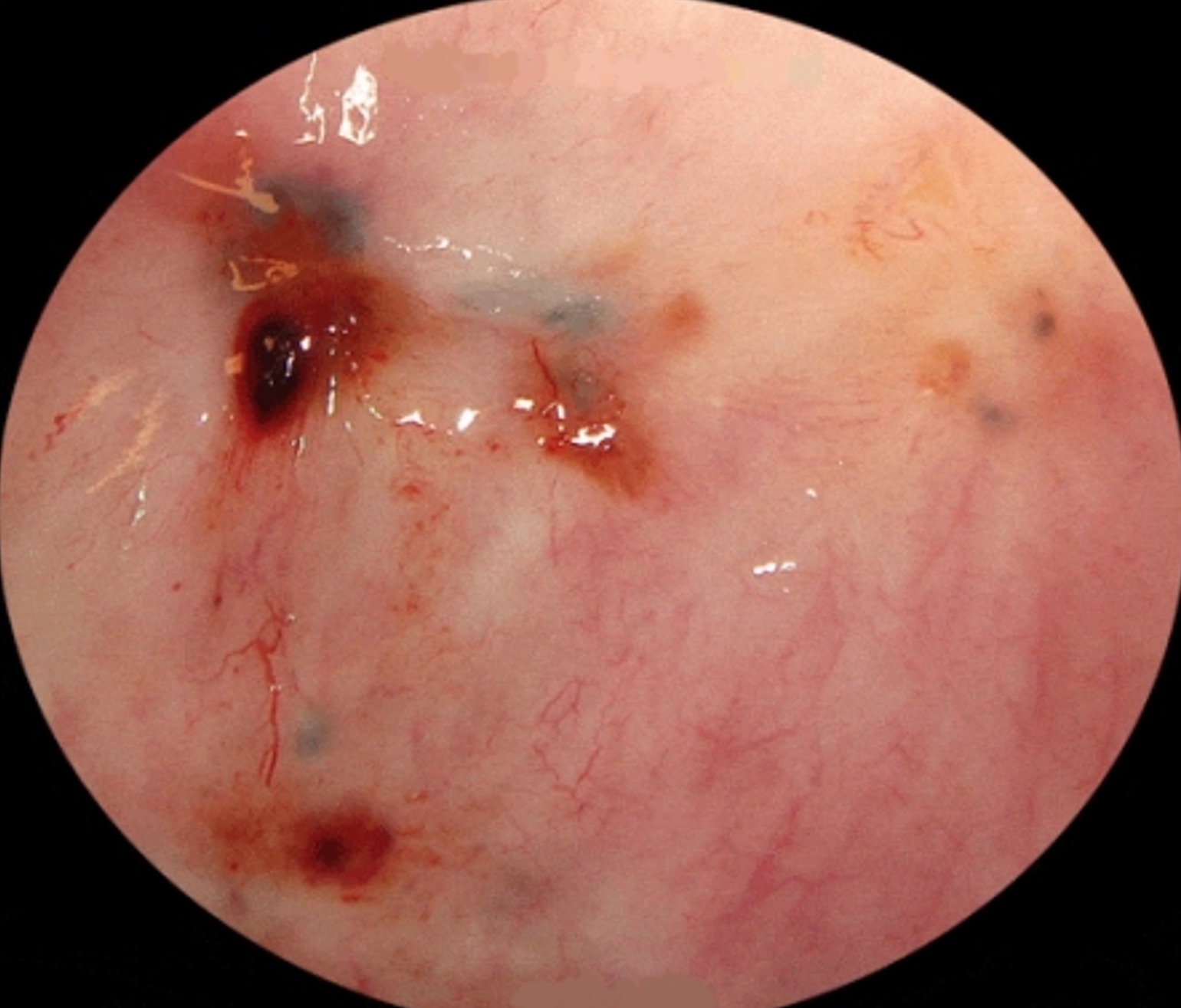
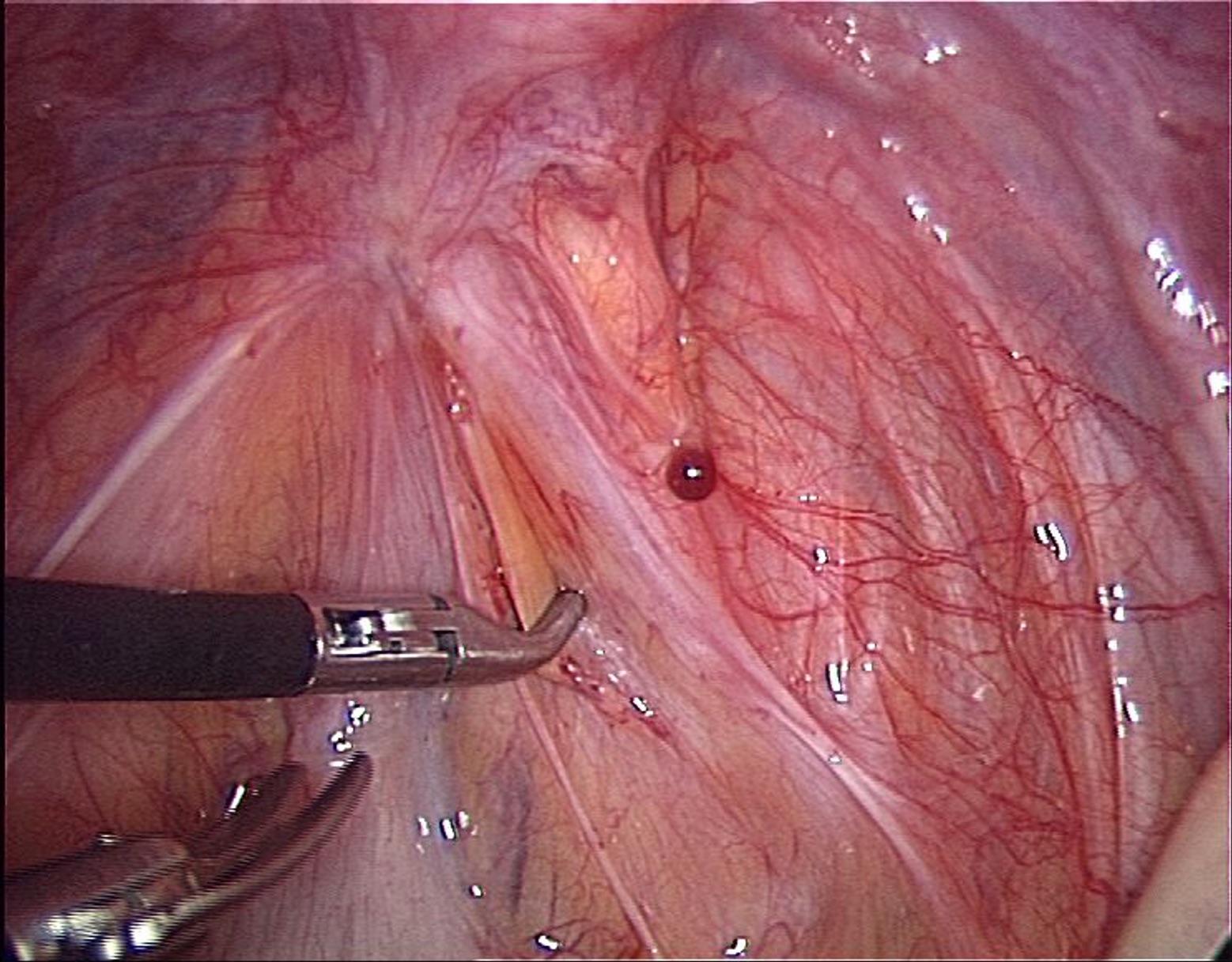
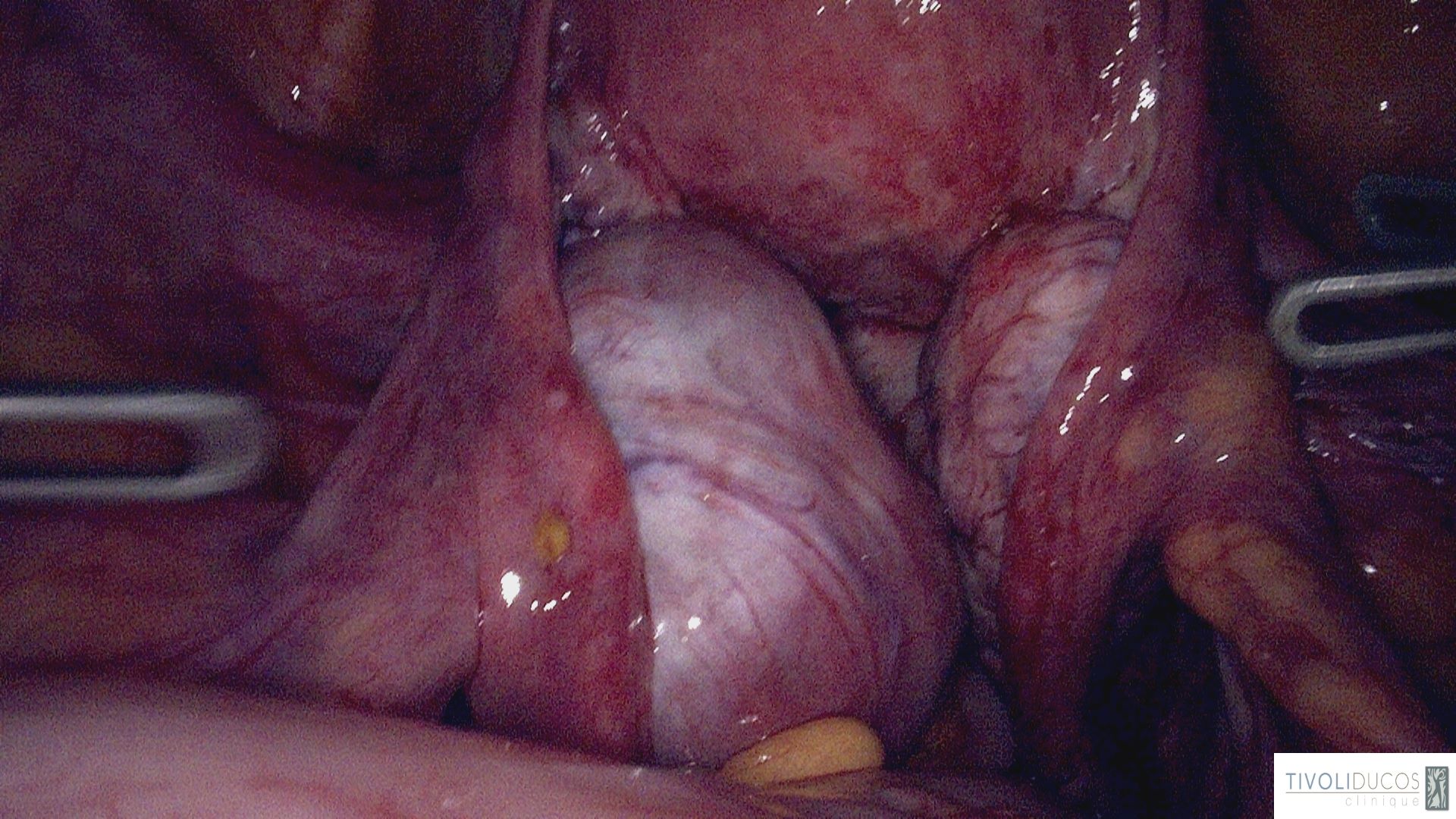
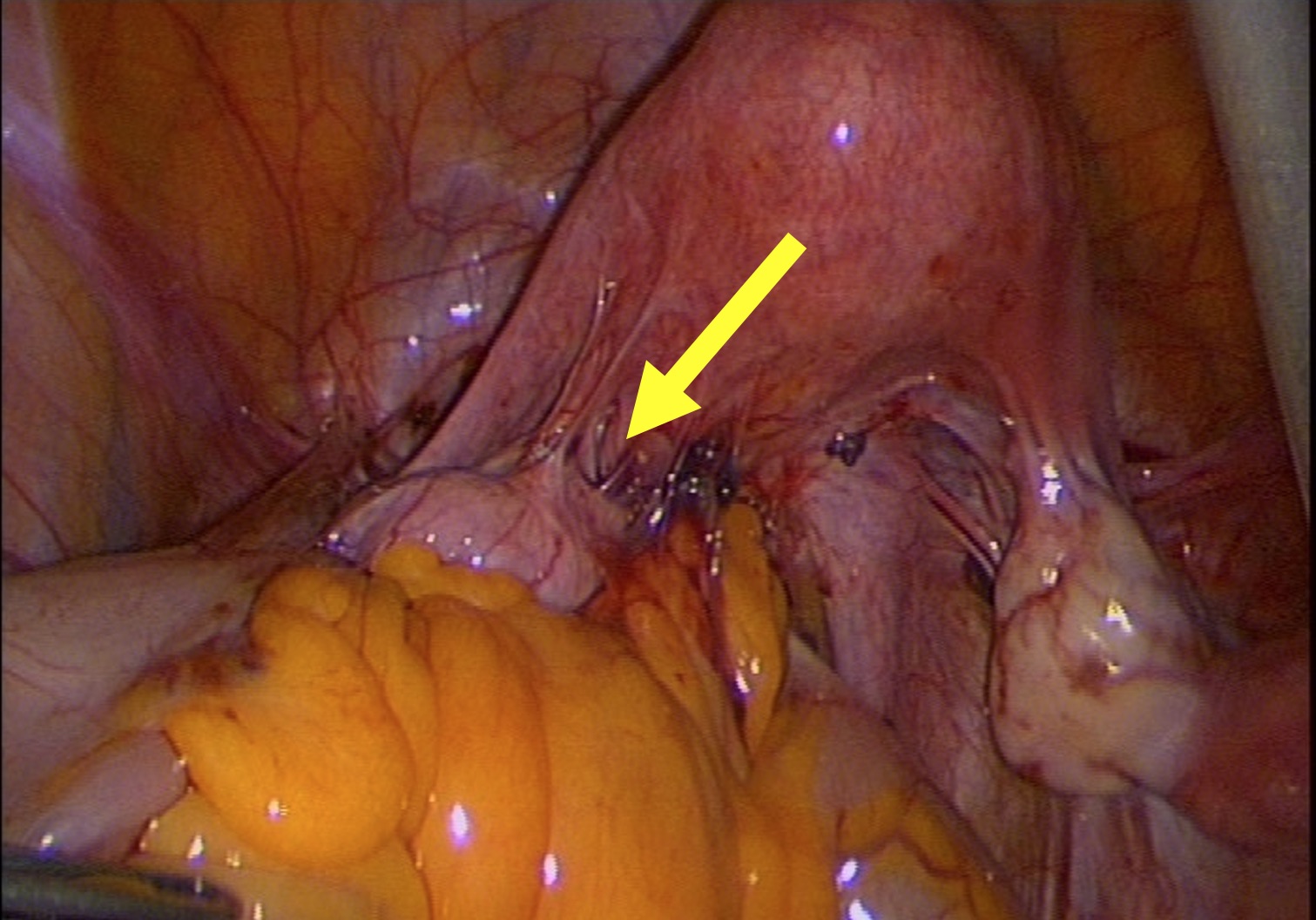
Superficial, peritoneal lesions

Superficial, peritoneal lesions are probably the most common, and are located in the peritoneum. 

These are small, superficial lesions, whose depth of invasion does not exceed 5 mm. 

They can take different forms:

  • Sometimes they are active, red lesions, very similar to the endometrium, often hemorrhagic, surrounded by an inflammatory reaction. (a)
  • Other lesions have a brownish color (b), or the appearance of black microcysts (c), testifying to an old hemorrhage.
  • Others are whitish, probably cicatricial, reflecting a healing process (d).

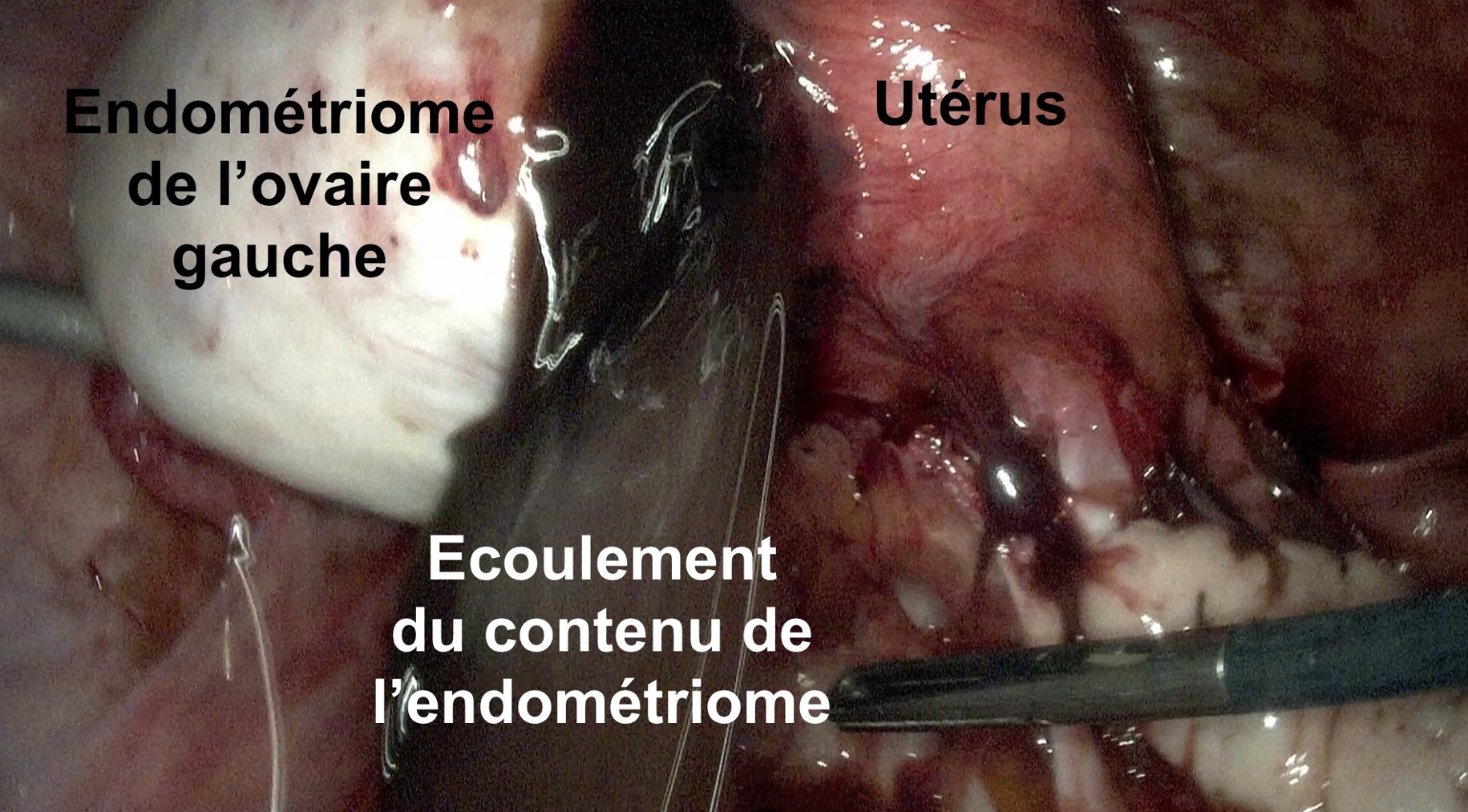
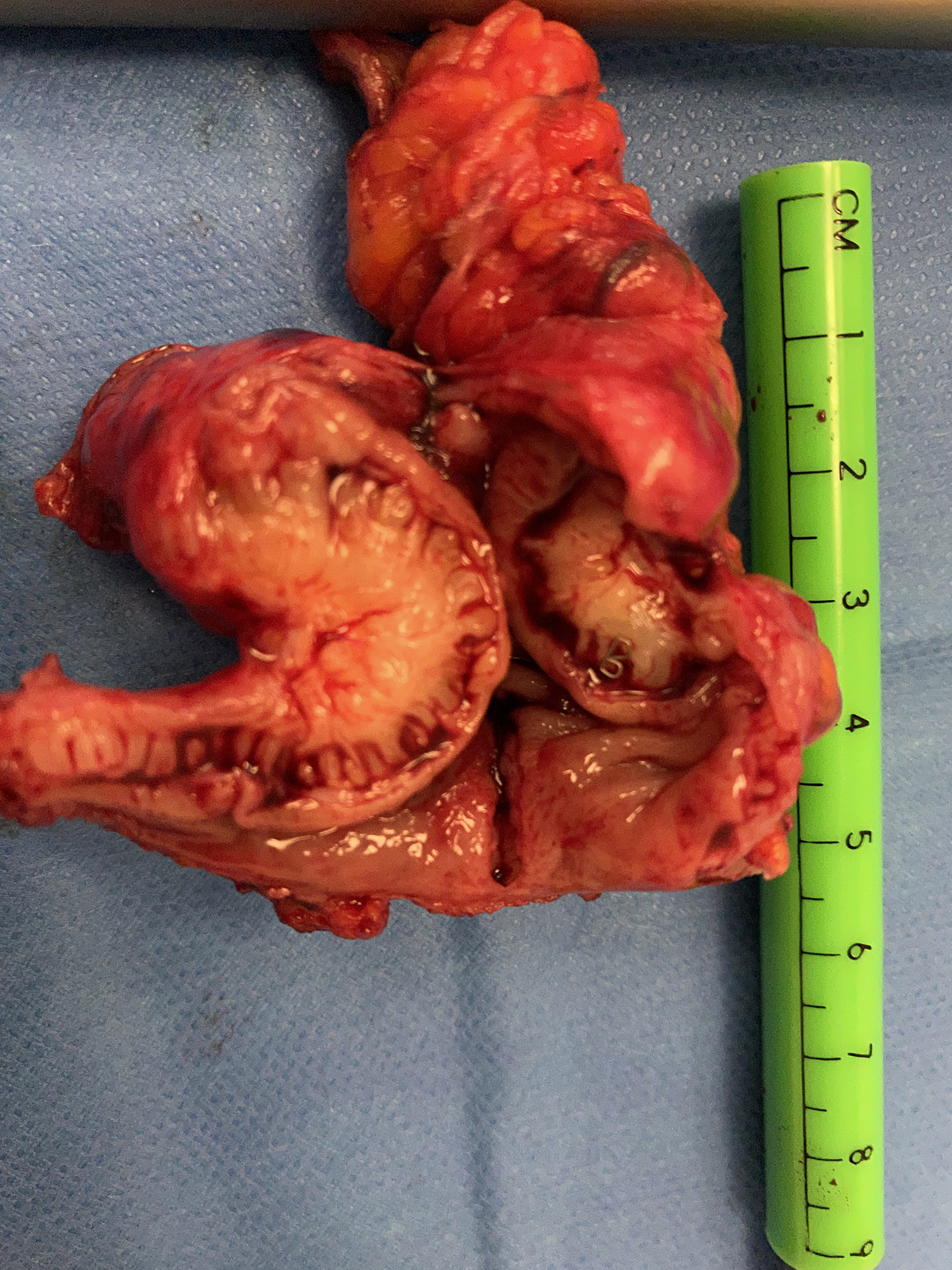
Cystic lesions of the ovaries

Cystic lesions of the ovaries (ovarian endometriomas) are hemorrhagic lesions that encyst under the ovarian parenchyma and progressively displace it.

Varying in size from a few mm to several cm, these lesions are not truly intra-ovarian cysts, like other types of ovarian cyst. They are the result of intra-ovarian invagination of a lesion initially on the surface of the ovary, which progressively invaginates into the ovary like a caterpillar into an apple.

This specificity makes their surgical treatment tricky, as the endometrioma and ovary are sometimes inseparable, which can result in damage to the ovary during removal of the cyst.

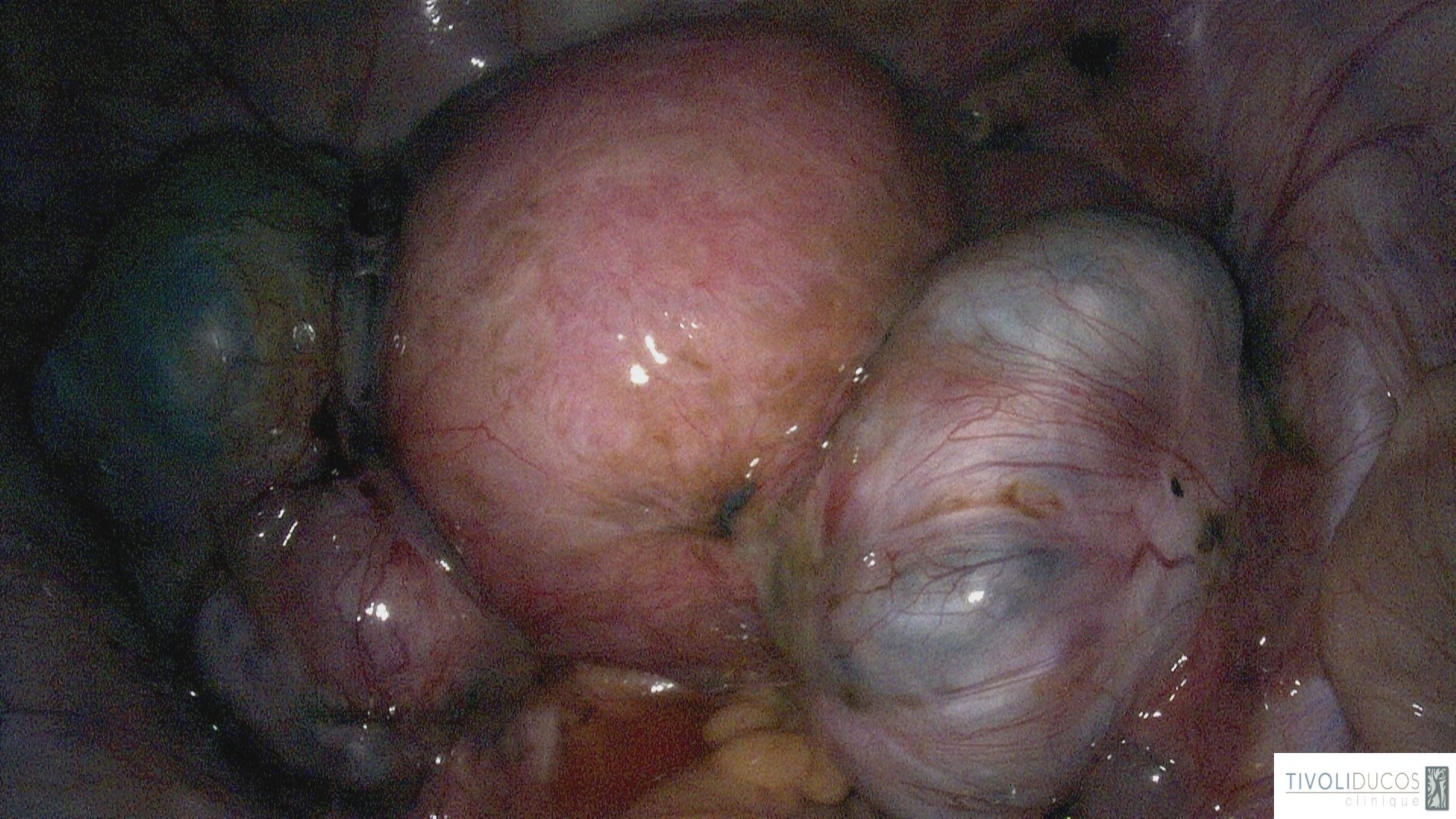
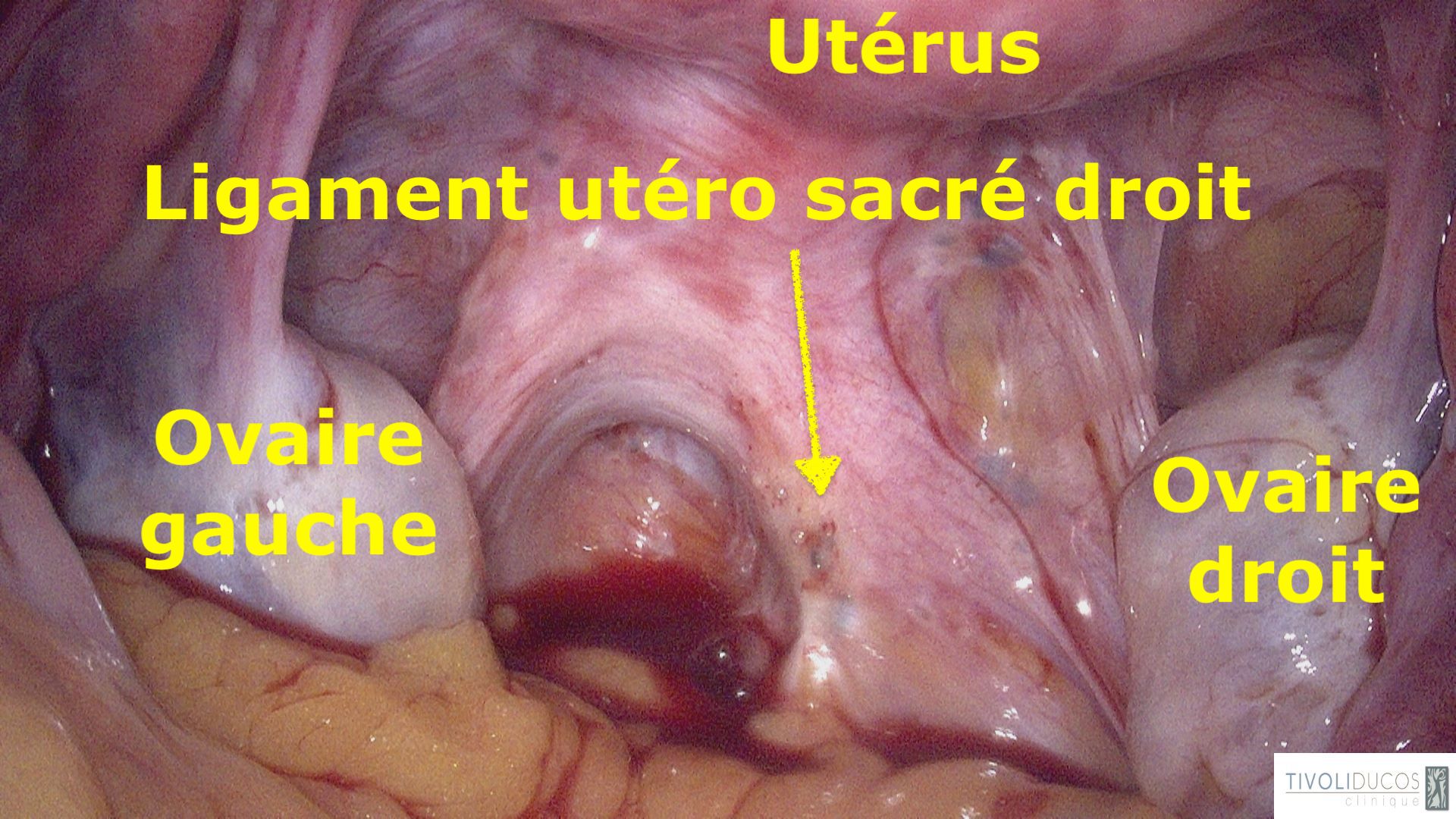
Deep, sub-peritoneal lesions

Deep, sub-peritoneal lesions (infiltration greater than 5mm) are hard, fibrous lesions in which hormone-dependent endometrial tissue is relatively poorly represented (15-20% of the volume of the endometriosis nodule). 

These lesions tend to infiltrate the surrounding organs, behaving aggressively in a way reminiscent of tumors, leading to the emergence of severe forms that are increasingly difficult to remove. 

Because of their fibrous composition, and ultimately lack of hormone dependency, the size of deep endometriosis nodules is little influenced by amenorrhea, which simply stabilizes the disease, but practically never causes it to disappear. 

This explains why they can be found in post-menopausal women, where they can continue to be symptomatic despite definitive amenorrhea.

It is estimated that endometriosis may affect one in 10 women in France, although not all affected women are necessarily symptomatic or have severe forms such as those described above. It is likely that the disease follows a pyramidal distribution, with superficial lesions at the base (in the vast majority of women) and severe deep lesions at the top (in a minority of cases).

Types of endometriosis

in figures

25-50%

of women with endometriosis have ovarian endometriomas

20%

of women with endometriosis have a deep lesion

15%

of women with digestive endometriosis have lesions on the diaphragm

Source:
1. Yang et al, RBMO 2015
2. Zondervan et al, Nature reviews 2018
3. Roman et al, Hum reprod 2020

Endometriosis

What is endometriosis?

The symptoms

What are the symptoms of endometriosis?

Diagnosis

How is endometriosis diagnosed? 

Treatments

How is endometriosis treated? 

Get help from endometriosis specialists

For multidisciplinary endometriosis management, IFEM Endo supports you throughout your journey: medical and surgical treatment, medical follow-up, pain management.

Last updated on Feb 2, 2021 @ 17:31

Post-operative emergency

After your surgery, if you have any concerns after you return home and before your post-operative visit, you can contact us quickly using the form below.

Please use this emergency form only in the immediate post-operative period.


Your doctor? *
Date of your intervention? *

Please explain your problem below:

*Mandatory fields.

Post-operative follow-up

After your surgery and post-operative visit, if you encounter a problem with your treatment or have a question or query, you can contact us quickly using the form below.


Your doctor? *
Date of your intervention? *

Please explain your problem below:

*Mandatory fields.

Make an appointment: patient follow-up

If you have already consulted an IFEM Endo doctor and would like to make a new appointment for your follow-up, you can contact us quickly using the form below.


Your doctor? *
Please explain your problem:

*Mandatory fields.

Contact: Research team

If you wish to contact the research team, please complete this form.

*Mandatory fields.

Contact: Other request

If you would like to contact us for any other inquiries, please complete this form.

*Mandatory fields.

New patient appointment

If you have never been to our center before, please complete the health questionnaire below to enable us to process your request: 

YOUR CONTACT DETAILS


ADMINISTRATIVE INFORMATION

Your insurance plan*: (please provide up-to-date proof of CMU, ACS or AME)

Would you like an appointment with a particular doctor?


MEDICAL QUESTIONNAIRE

Please also complete this medical information to help us understand your situation and offer you the most suitable appointment:
Do you have children?
If so, how?
Do you currently wish to become pregnant?
If so, for how long?

Have you ever had endometriosis surgery? *
Please attach your operative reports (optional):

Are you undergoing hormonal treatment (medical or contraceptive)?

Do you have pain during your period ?
Do you have pain outside your period ?*
Do you experience pain during intercourse?*
Do you have digestive problems during menstruation (painful bowel movements, diarrhea, bloating...)? *
If you experience other painful symptoms during your period, please explain below:
Have you ever had an MRI for endometriosis?
IF YES, please provide us with your MRI report ideally less than one year old:
You can also attach your doctor's letter(s):

*Mandatory fields.